
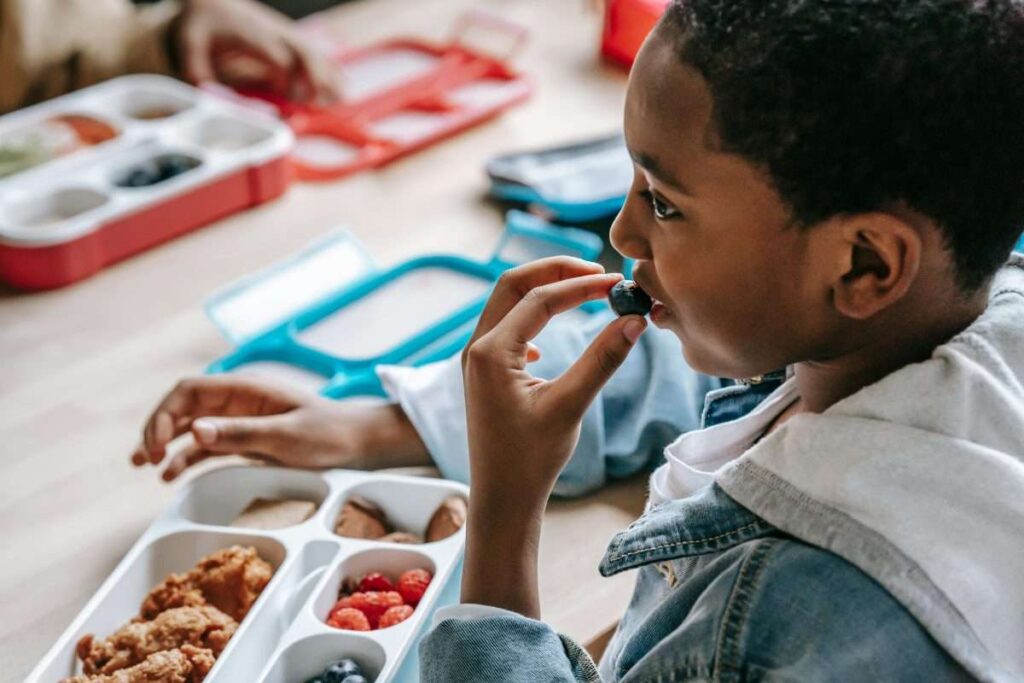
For Alice Benjamin, preparing nutritious, appetizing and satisfying school lunches is a key responsibility that can heavily influence eating habits for years to come.
“Modelling healthy eating as well as talking to our children, is one of the best things that we could do early on, because that will plant the seed for their lifestyles that they’ll adopt as adults,” says the Family Nurse Practitioner and Clinical Nurse Specialist who spends her days treating adult patients with cardiovascular issues – many of them caused by poor diet choices and unhealthy eating.
“Unfortunately, we are starting to see a rise in the number of children who are overweight and obese, with diabetes and with hypertension. And how does that happen to a child?”
Benjamin is also a mom. She’s been there, done that when it comes to agonizing over school lunch prep. “I’ve struggled. I know other parents have struggled,” she told Lianne Castelino, during an interview for Where Parents Talk. “When we’re stressed and feeling anxious, sometimes we can eat mindlessly. We just grab something quick, fast. Maybe it’s highly processed, salty, sugary, but it’s quick and convenient. And really, we need to step back, because that’s actually harmful for us in the long run.”
A recent survey by Crispy Green, a U.S. company that produces freeze-dried fruit snacks, found 33% of parents listed meal planning among their top five most stressful activities during the back-to-school period.
“It shouldn’t be stressful when we’re eating,” says Benjamin. “Eating is a part of life. We nourish our body. We should be having fun when we’re cooking and eating, but it turns out to be a very stressful task for parents. I think what parents would benefit from our lunch schedule guides, tools and tricks and hacks, because we’re not in this alone.”
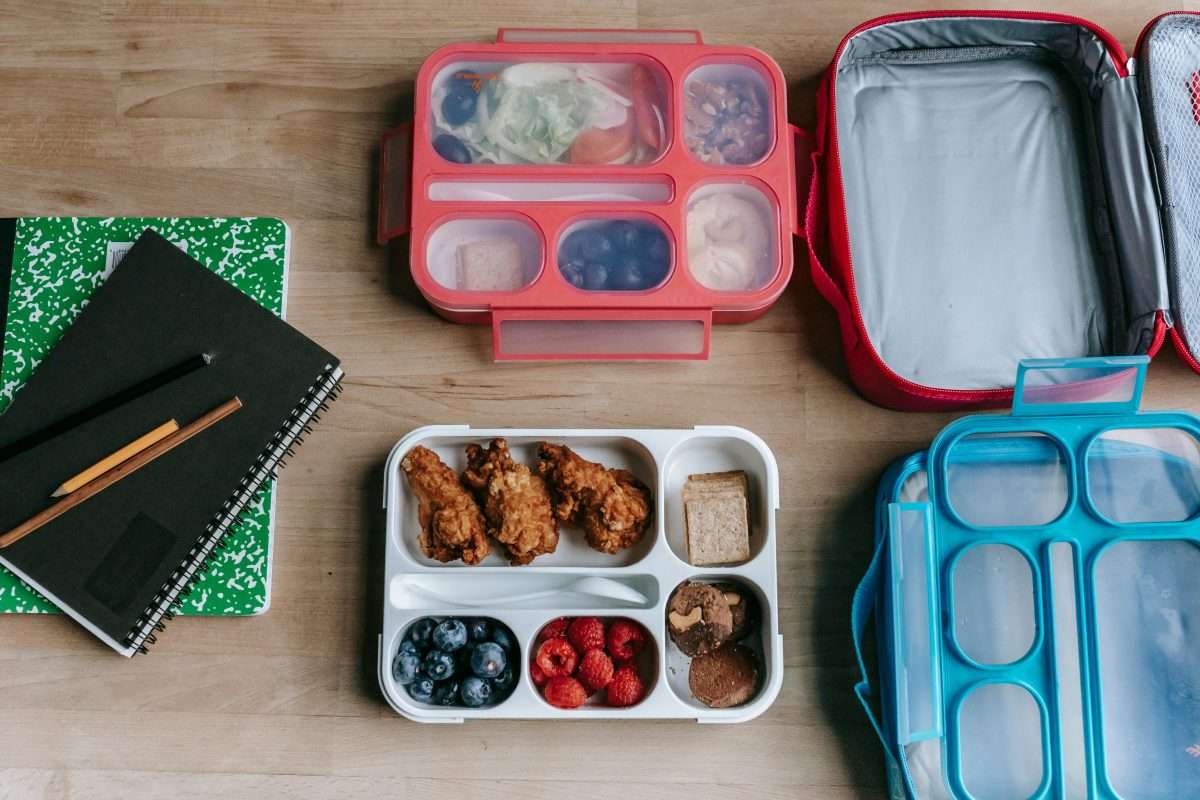
The survey questioned 1,000 parents of kids between 6 and 12 years old. It flagged a common reality: the disconnect between the actual amount of sugary or salty lunch or snack items in a child’s lunch, versus what a parent’s perception of what that sweet and sodium content is.
“According to nutrition guidelines, parents unknowingly can pack lunches with 2.5 times as much added sugar and up to five times as much sodium as recommended for school-age children. (Based on a ham and cheese sandwich on white bread, snack-sized flavored tortilla chips, and a snack-sized bag of chocolate chip cookies per the Mayo Clinic Health System and American Academy of Pediatrics guidelines.)
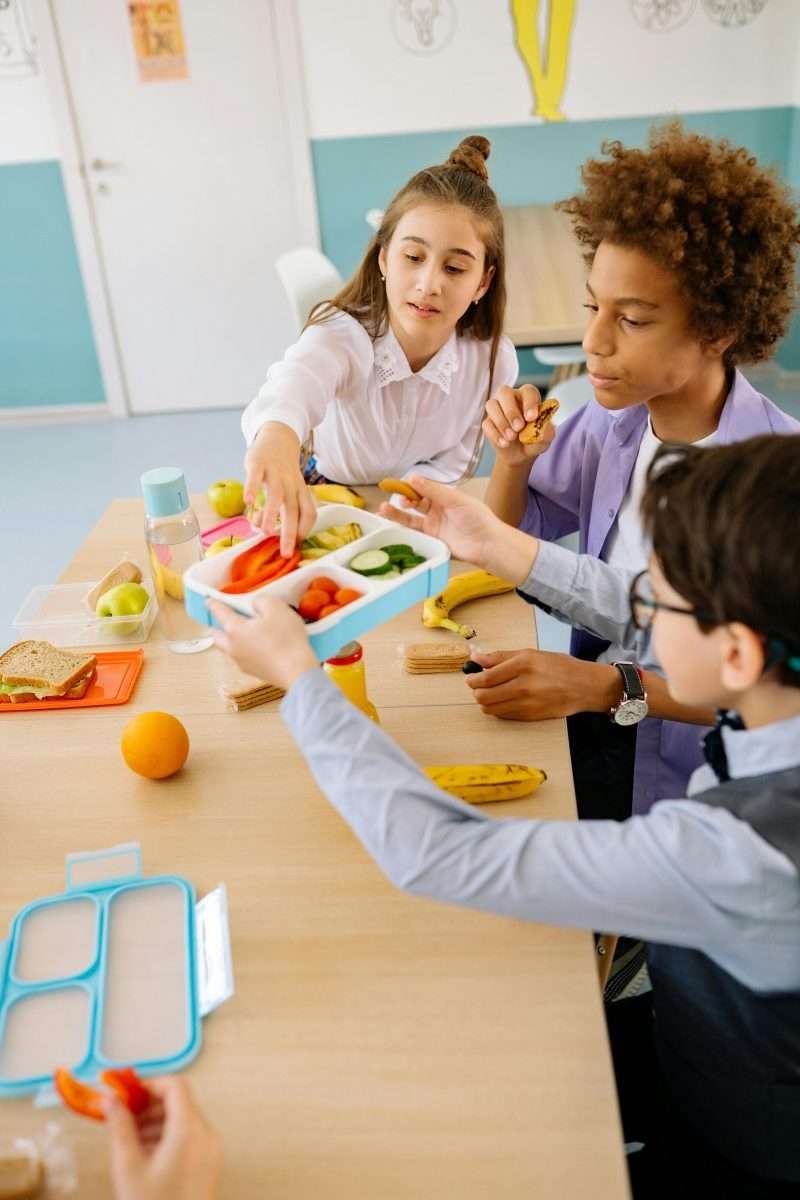 “Typically, you’ll find chicken nuggets, sandwiches with processed meats,” continues Benjamin, who is also a Chief Nursing Officer Consultant at nurse.com.
“You’ll find pizzas, chips, cookies, foods that are really high in fat, high in calorie.
This is not to wag my finger at anyone, because we’ve all indulged in these foods. But when it comes to our children, it’s very important to understand what’s in our kids lunch boxes, because when we know what’s in there, we can assess the nutritional value, the caloric value, is this going to be a good energy source that’s going to feed their body and mind to be productive and growing children,” she says.
“We know that what they eat is very important, because we know if a child doesn’t eat right, they’re not gonna be able to focus – low blood sugar. It’s going to influence their learning, but also just as much as if they eat fatty foods, sugary foods, foods high and calories are preserved. Those things can affect their cognitive development. It can lead to attention issues, memory, learning. They can pack on some weight. So those are the things we want to prevent.”
Using an approach of small, incremental changes over time, alongside a serving of patience, Benjamin suggests, will go a long way to supporting kids to learn to embrace healthy options or new alternatives and more importantly adopt them.
In addition to carefully reading nutrition labels, Benjamin offers these approaches:
– whole grain wheat or fortified bread for sandwiches
– grilled chicken or other types of meat that are fresh or naturally-derived versus processed meats
– freeze-dried fruits and low calorie snacks
– advanced planning for school lunches and snacks
– infuse fun into food presentation
– involve kids in the planning and preparation process for preparing meals, from a young age
For students transitioning from the classroom directly to after-school activities, Benjamin recommends simplifying the process. One example that Benjamin uses for her own family, is keeping a supply of crackers and water in the car.

“It’s important for parents to prepare portable snacks that are nutrient dense so they can eat them on the go, snacks like fresh fruit, yogurt, nuts, whole grain crackers, all of those can provide sustainable energy without sugar crashes that come from those processed snacks,” says the mom of four boys.
For tweens, teens and adolescents, who may be harder to convince, convert or sustain, Benjamin suggests other intentional strategies. “Take them grocery shopping with you, even though they may not want to, because it also prepares them for being adults,” she says. “When you’re in the grocery store, you can talk about healthy food choices.”
For parents who prioritize convenience over nutrition, sometimes opting for less healthy snacks just to ensure their kids are eating something, Benjamin suggests seeking out healthier alternatives that still appeal to kids’ tastes. And continuing to educate.
“Just as much as we teach our kids math and science, we can teach them what healthy foods are, and teach their bodies and their tongue and their palates to enjoy.”
Related links:
asknursealice.com
crispygreen.com
Special offer:
crispygreen.com/products/create-your-lunch-box
Applies to US residents only.